
ChipStart UK Startups Gaining Momentum as Programme Graduates 3rd Cohort and Launches 4th Cohort with Government Backing
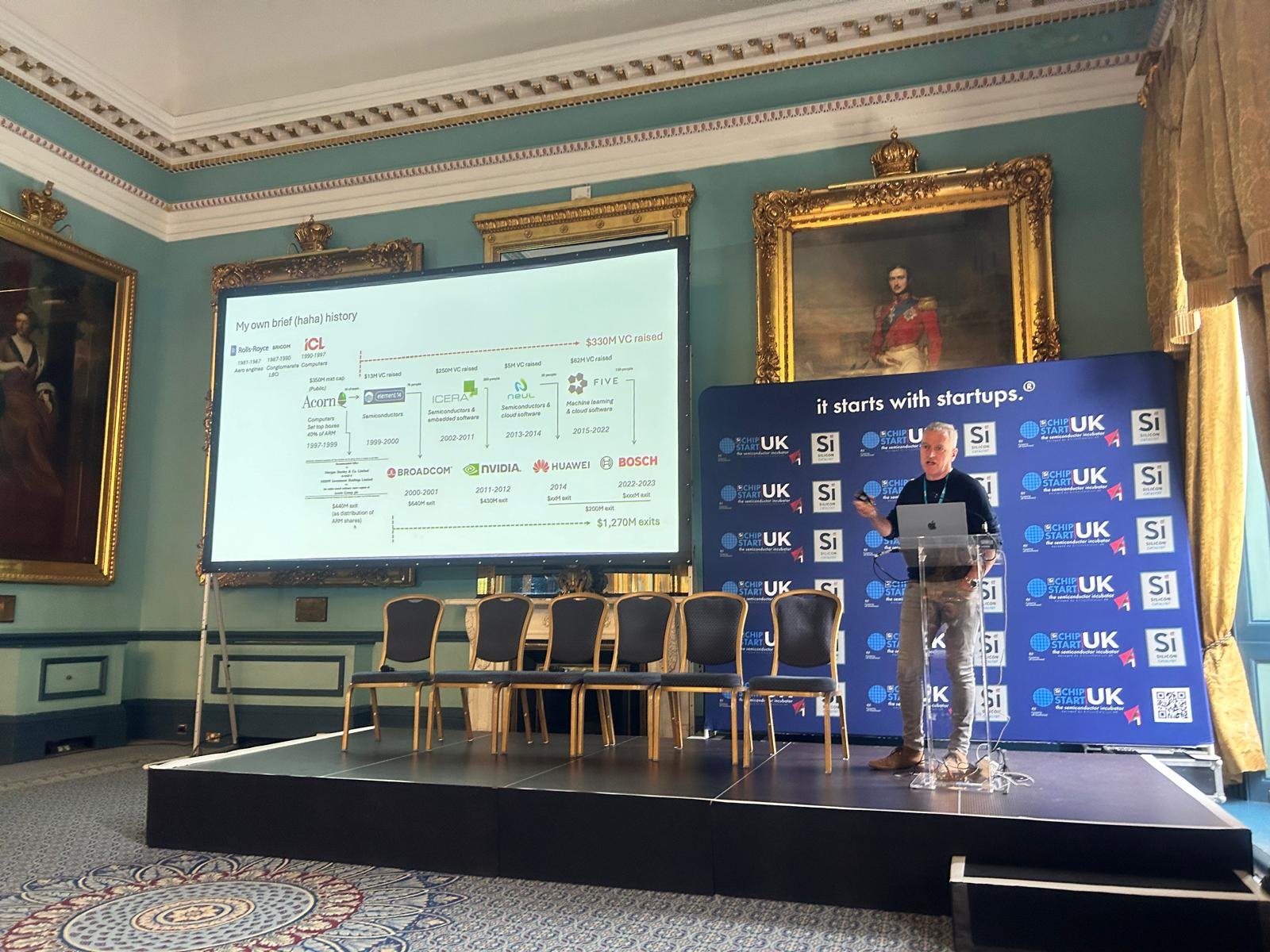
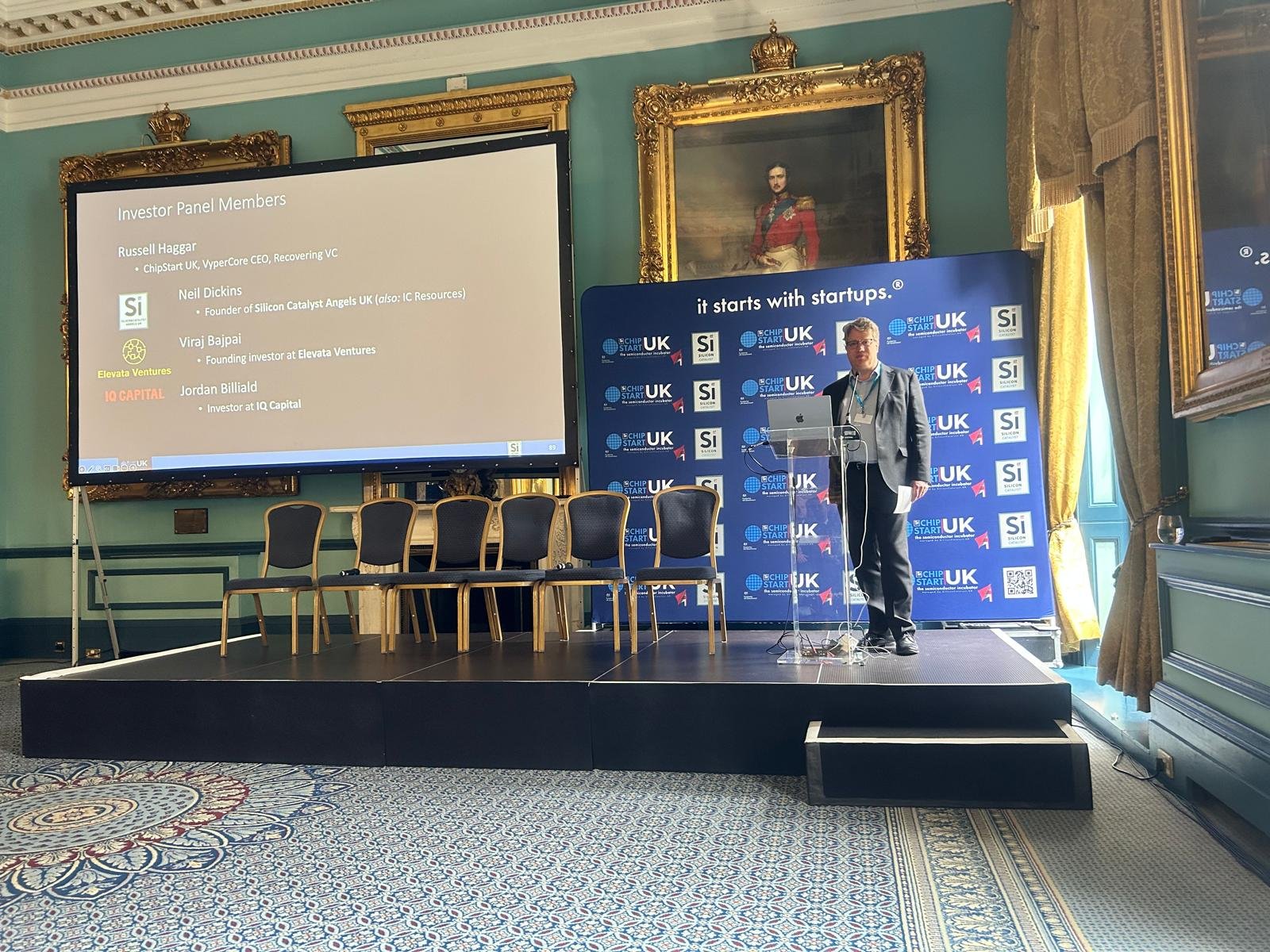
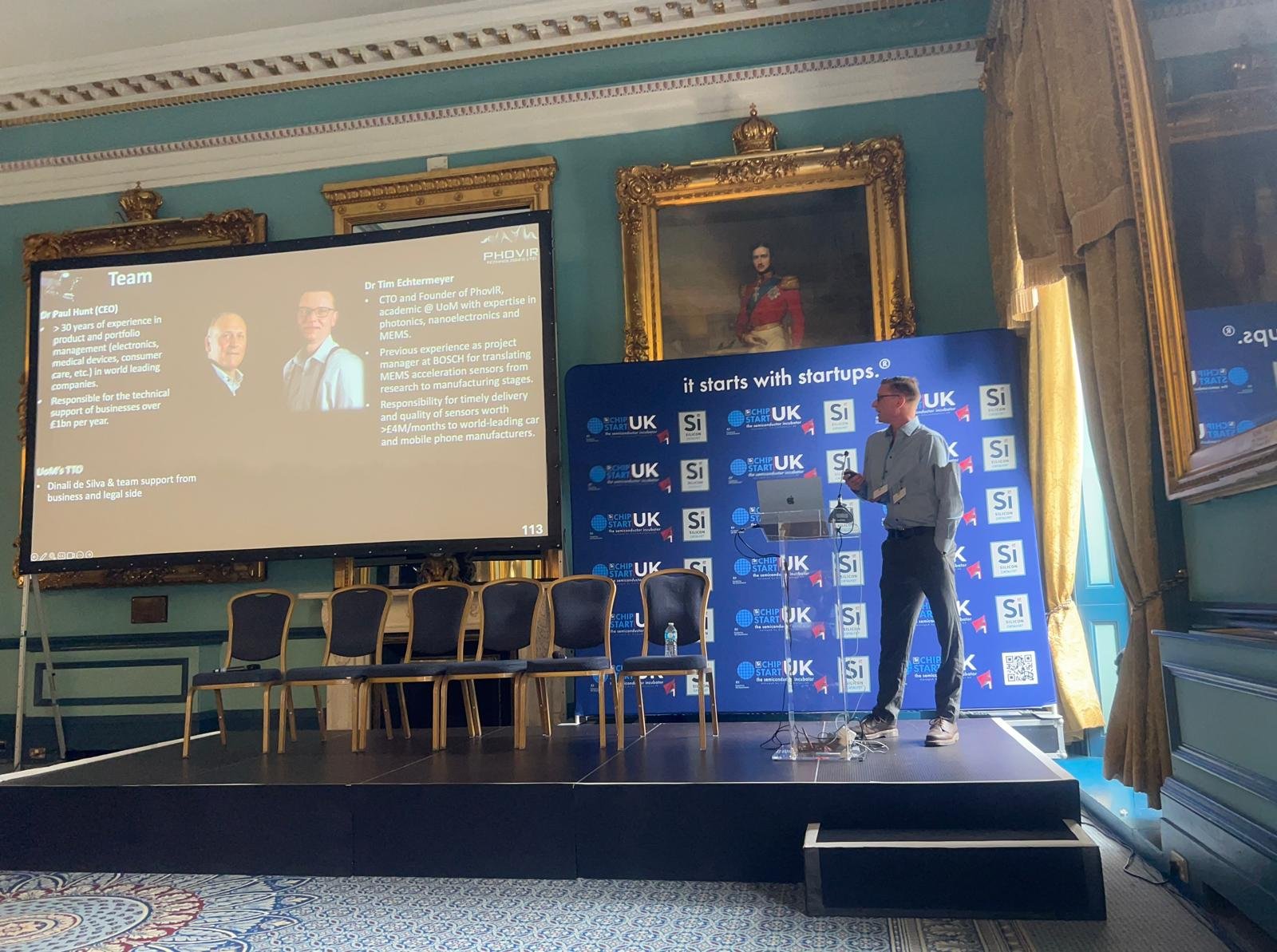
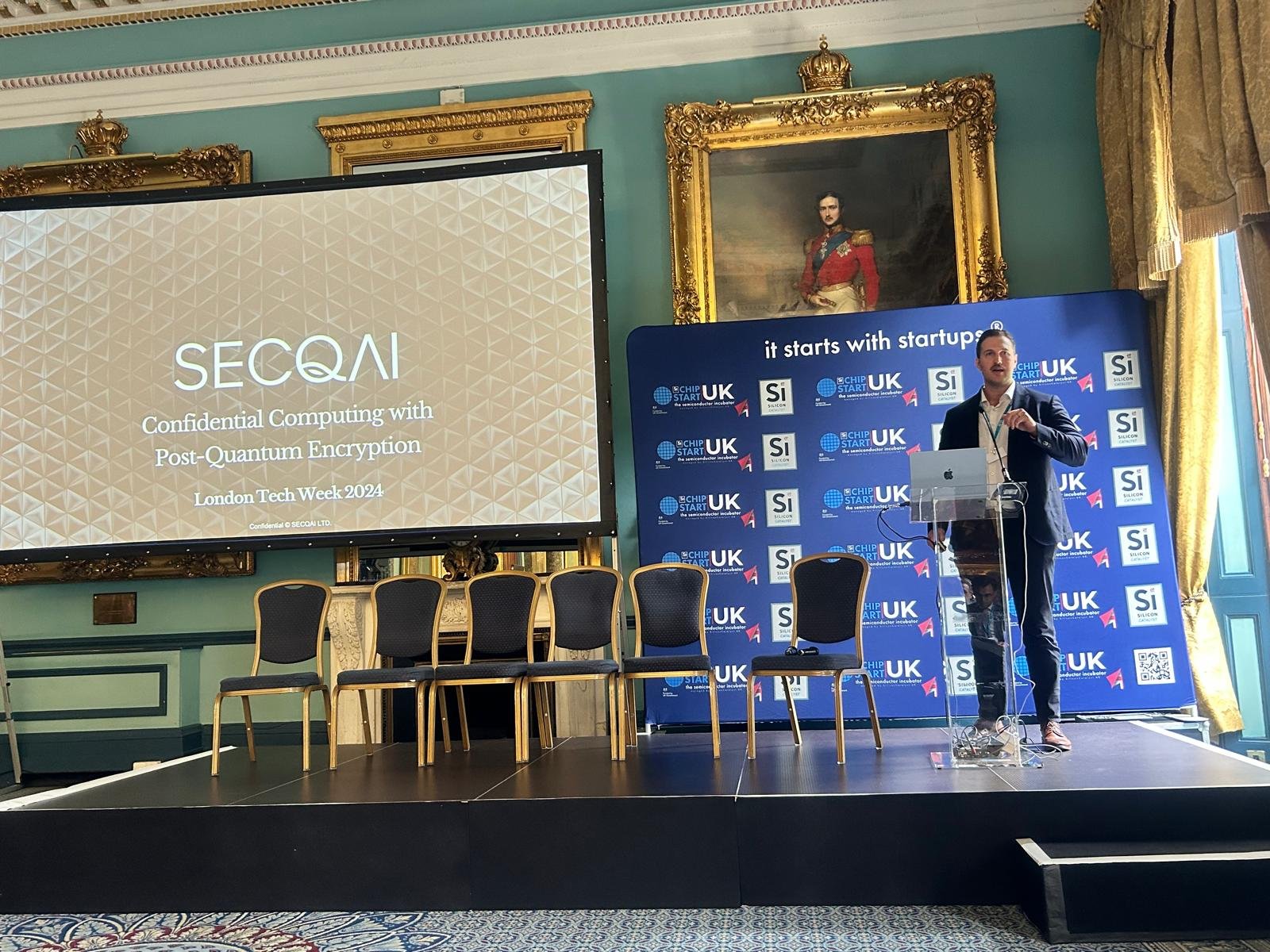
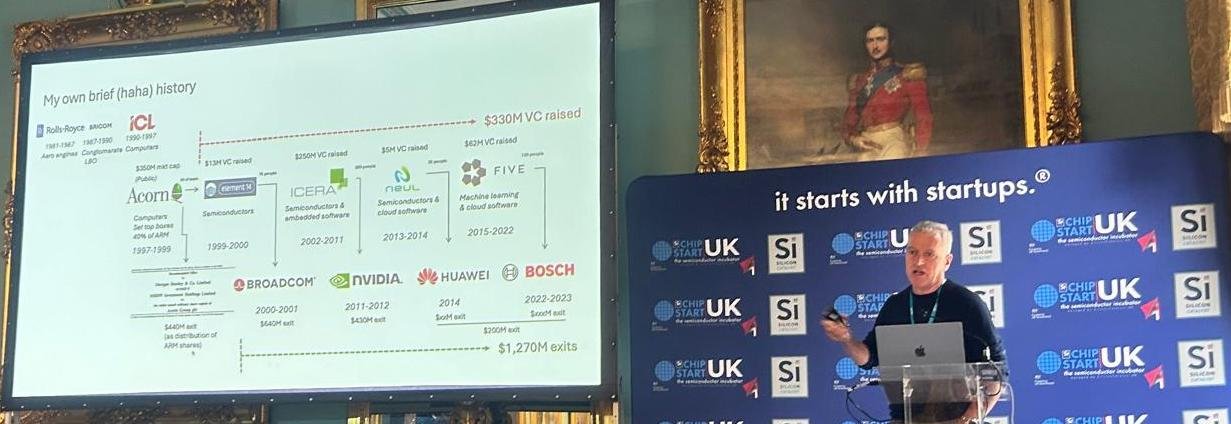
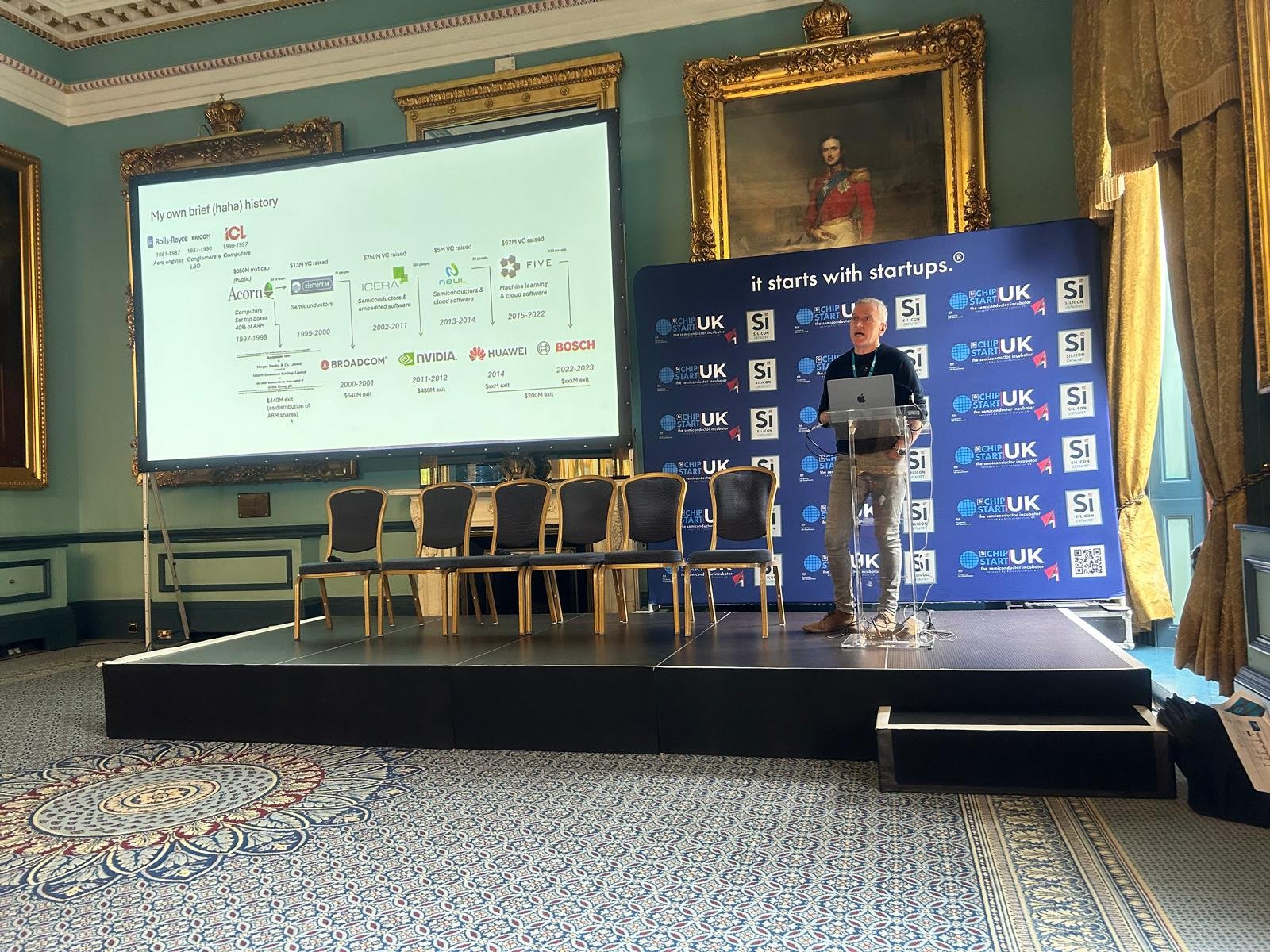
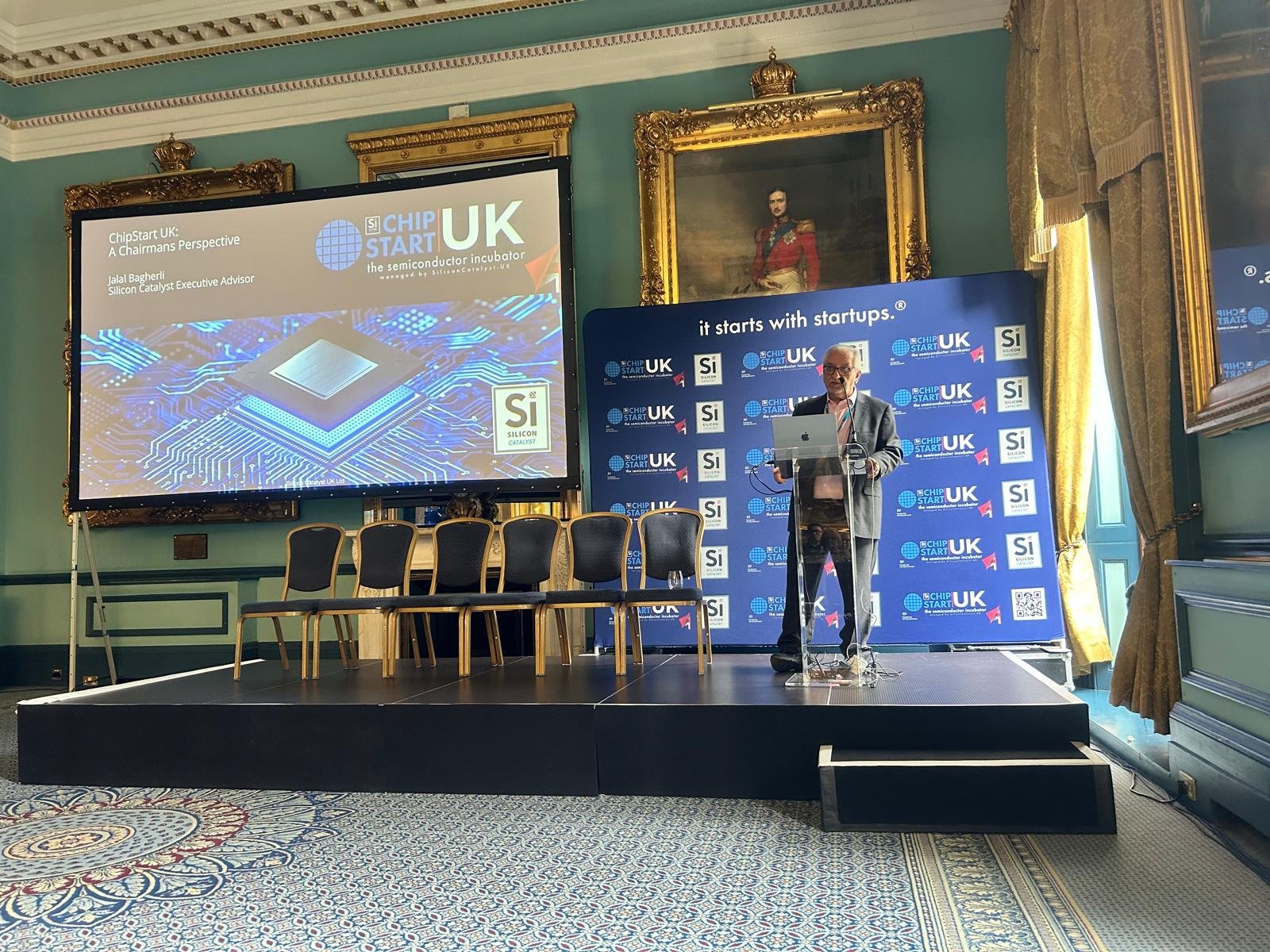
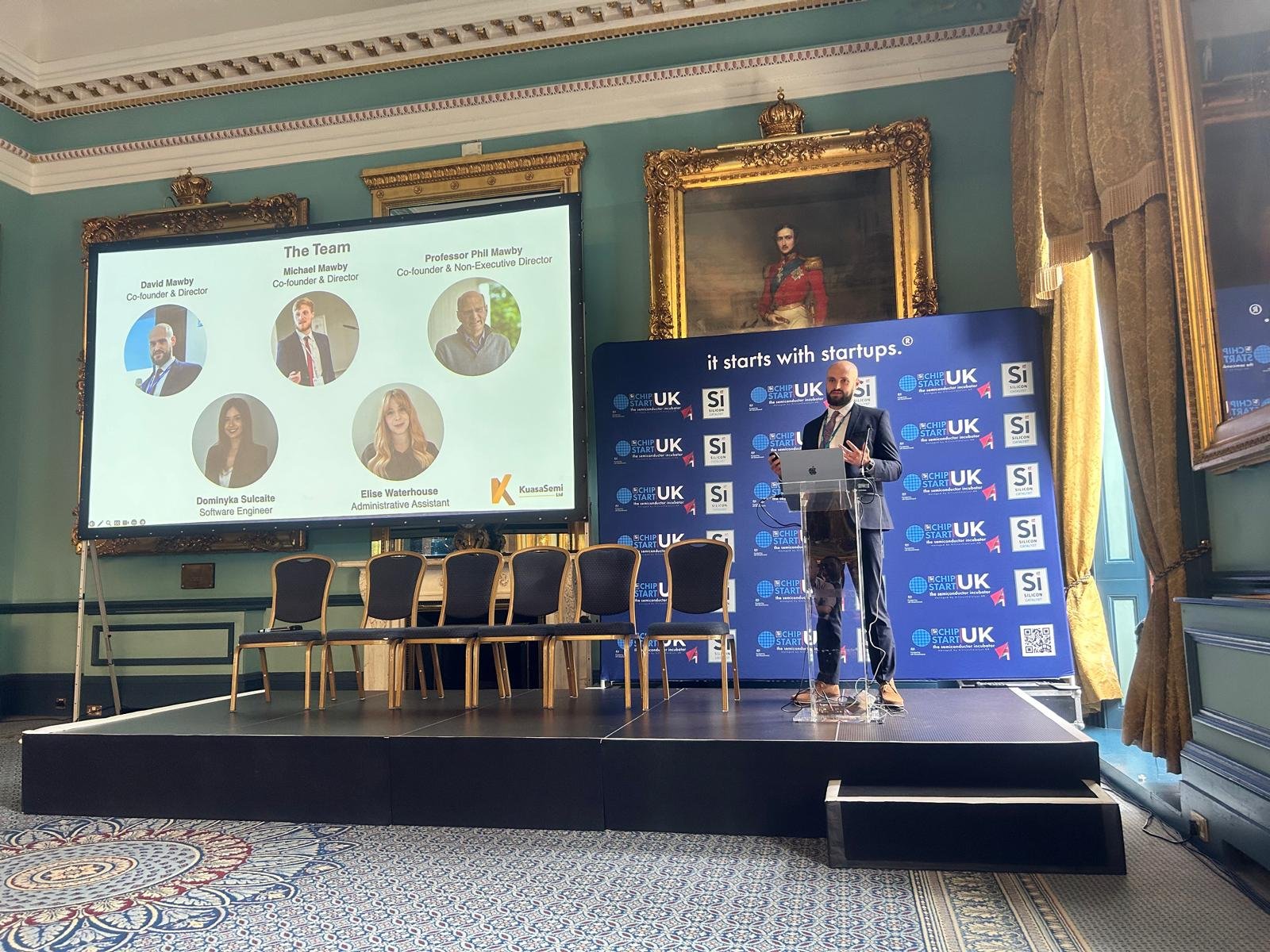
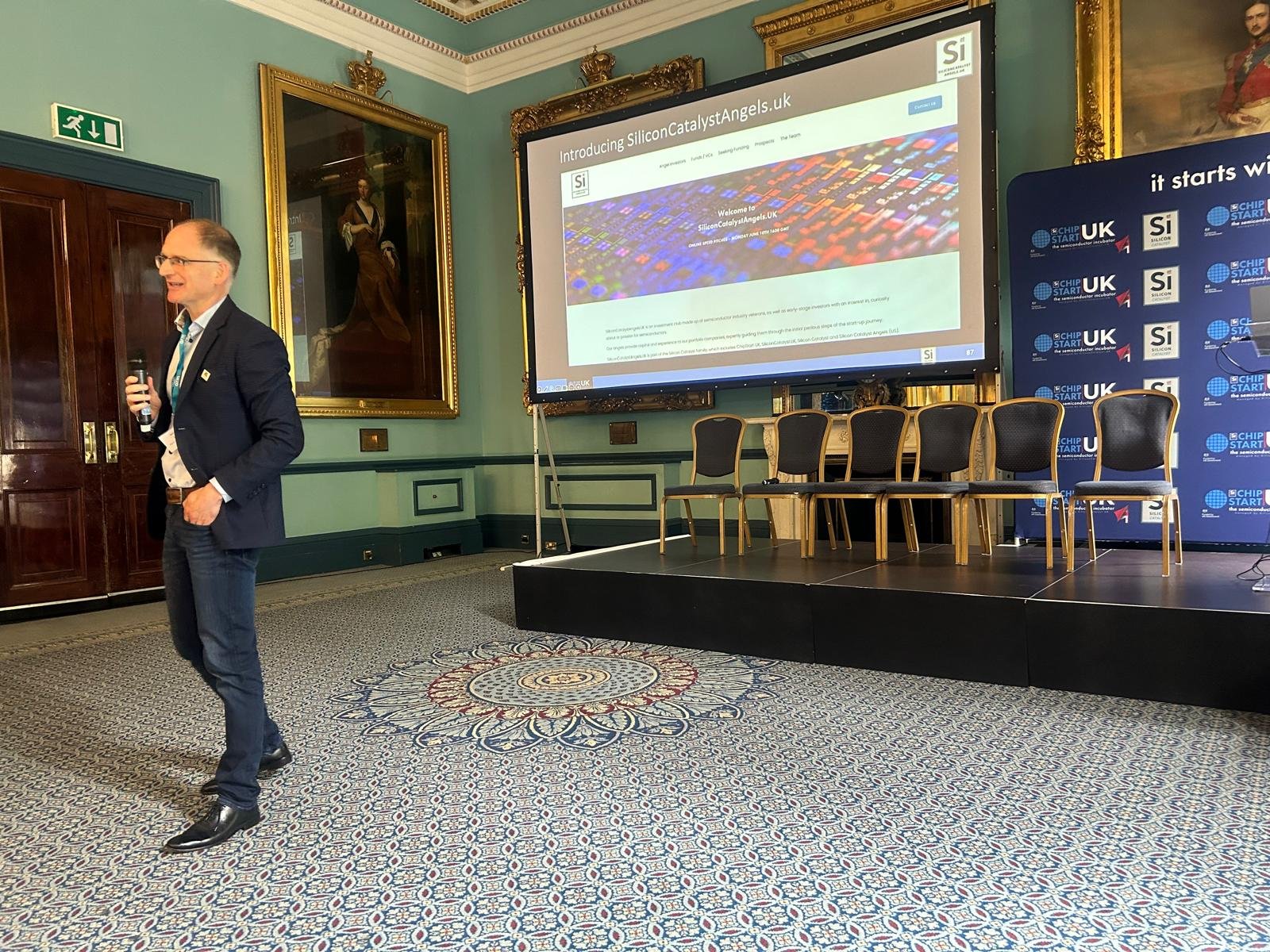
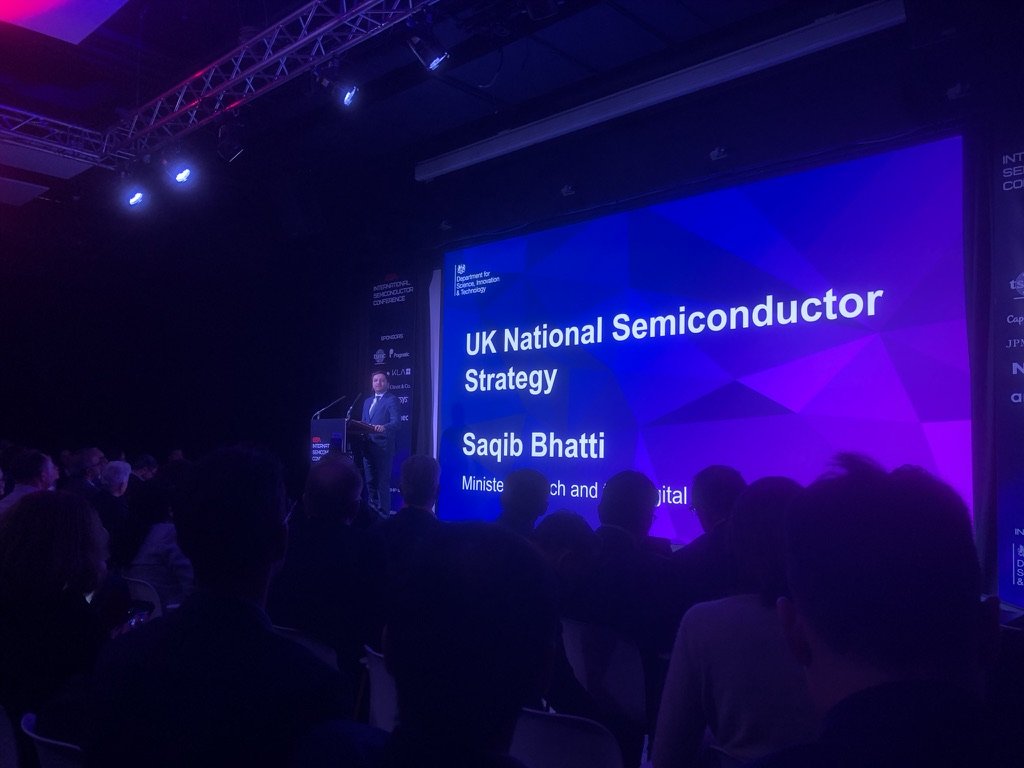
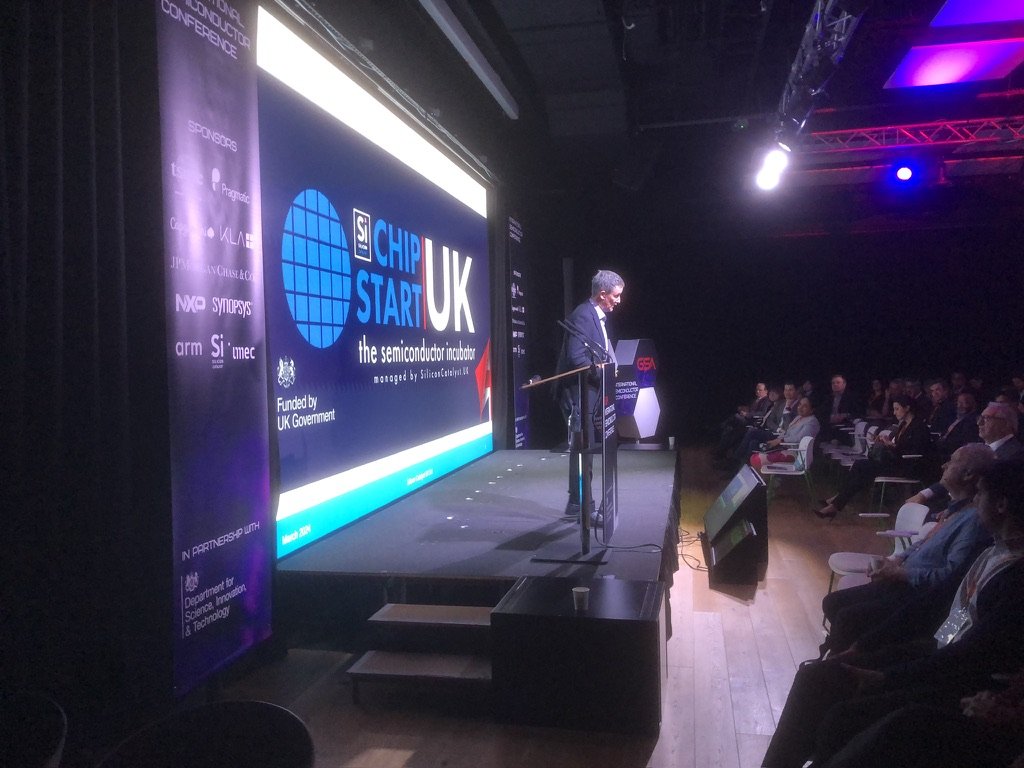
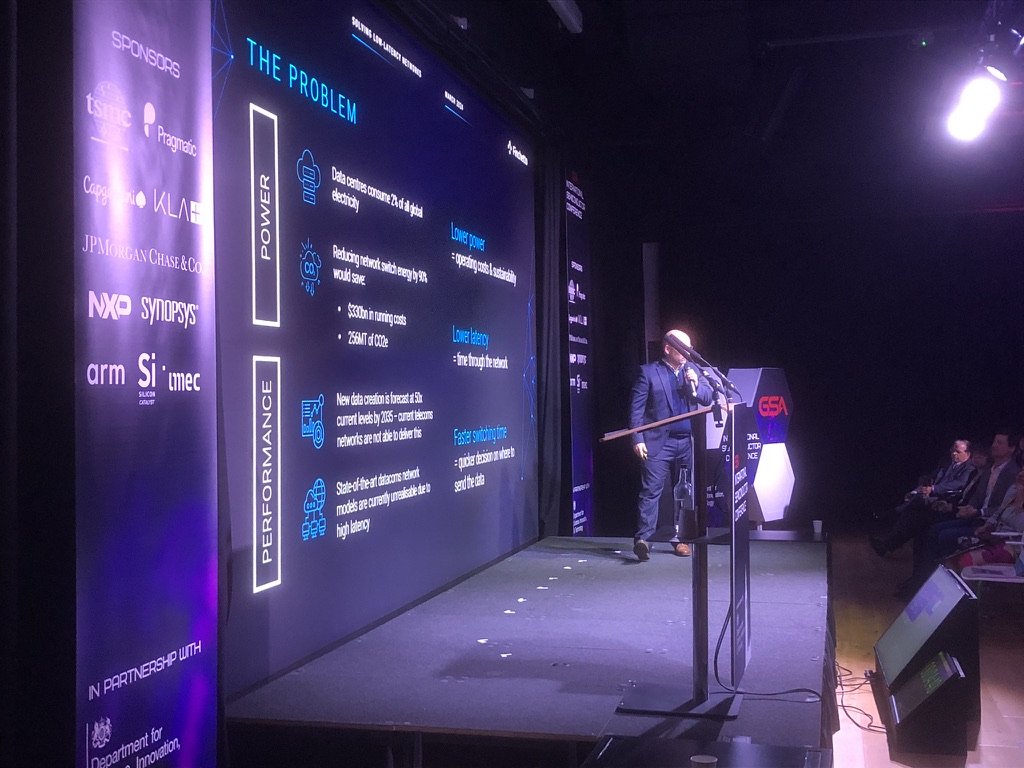
LONDON, 19th March 2026 - ChipStart UK launched its fourth cohort of semiconductor startups at The Royal Institution, with Minister Kanishka Narayan MP from the Department of Science, Innovation and Technology (DSIT) delivering a video keynote to a registered audience of more than 200 industry delegates, including over 30 venture capital hardtech investors.
Across its first three cohorts, ChipStart UK alumni companies have now raised close to $100M in equity funding. Eleven new companies were selected from 42 applications to join the fourth cohort of the fully-funded, 12-month incubation programme, with applications up more than 50% and event attendance up 30% year-on-year.
Minister Narayan, who has spent a decade on the front line of technology investment across the UK and beyond, outlined the government’s commitment to the UK’s semiconductor ecosystem. DSIT is backing the sector with a £100M Advanced Market Commitment to purchase products from novel and promising UK chip companies, alongside over £6.5M to uplift university research infrastructure across the country.
Outlining the government's broader ambition for UK technology entrepreneurship, the Minister said: “At the heart of this change is embracing a culture that prizes innovation, that says to entrepreneurs that their success is our national success, that their companies are our national champions when they create jobs and invest in frontier innovation here.” He described ChipStart UK as an important part of that shift, adding: “ChipStart is about giving startups the best possible chance to succeed, the tools to take those risks.”
Moshe Gavrielov, former CEO of Xilinx and current board member of TSMC, NXP Semiconductors and Cadence Design Systems, delivered a keynote on where the industry is heading: custom silicon making a comeback, AI cutting design costs by 30-80%, and power efficiency becoming the defining challenge of the age.
Gavrielov later joined Jalal Bagherli CBE and Rodolfo Rosini on an expert panel chaired by Nitin Dahad, editor-in-chief of EE Times, to explore whether the semiconductor industry's future lies solely in AI or in a much broader set of opportunities. The consensus which emerged was that the industry focuses solely on AI at its peril.
The ChipStart UK programme is led by Sean Redmond, Russell Haggar and Ross Addinall of Silicon Catalyst.UK.
Russell Haggar, Managing Partner of Silicon Catalyst.UK, commented:
“It is so exciting to see the ChipStart UK programme growing so strongly. We are starting to see a renaissance of strong semiconductor startups in the UK, building on the talent and experience of our industry, and the innovation of our research base. Our graduating cohort of 12 fantastic startups did themselves proud in presenting at such a prestigious venue for science and innovation. They have been a real pleasure to work with over the past twelve months, and it has been so rewarding to watch them develop. We are now looking forward to start working with our next group of ambitious startups, equipping them with the tools and experience needed to fulfill their goals.”
Cohort #4: The Eleven Companies
Eleven companies were selected to join the programme, spanning quantum computing, photonics, AI processing, biosensing, satellite communications, and biotech manufacturing. Nearly half of the eleven companies are founded or co-founded by women.
Asentas Quantum Systems — Utilising atomically precise manufacturing to create a scalable, modular, quantum processor with all-to-all connectivity and full error correction in silicon, to provide the ultimate computation power.
Altro Photonics — Building an integrated photonic platform that combines best-in-class materials onto a single chip to cut power, complexity, and cost for AI data centre infrastructure, with a path into computing applications.
Analogue Opto — Developing integrated technologies that solve the memory scalability challenge in AI infrastructure. By combining high-speed mixed-signal electronics with advanced photonic integration, the company enables disaggregated, high-bandwidth memory architectures — the foundation for the next generation of agentic AI systems.
Atlas Processing — Building the infrastructure for AI at scale, combining memory and computation into a fabric that eliminates GPU idle time and enables AI systems to continuously share, reuse, and build upon knowledge at the speed and scale of modern AI, purpose-built for hyperscaler deployment.
Compound Hound — Developing a broad-spectrum, solid-state electronic nose that reads 280+ volatile compounds and distinguishes closely related compounds that portable alternatives struggle to tell apart, with an initial focus on food supply chain spoilage monitoring.
Nibras Communications — A UCL spin-out developing photonic chip-enabled, ultra-low-noise signal generators for satellite and 6G communications, covering 1–300 GHz from a single module, providing a solution enabling superior noise performance, faster and more resilient connectivity.
Orbicom — Developing a new class of qubits that removes a major obstacle to scalable quantum computing: the need for large magnetic fields and complex control hardware.
Qascade — Developing ultra-fast, energy-efficient photonic communication hardware based on advanced interconnect architectures. Its systems enable high-performance AI and datacom while accelerating emerging hybrid quantum-computing platforms.
RobQuant — Developing a solid-state quantum magnetometer for measuring the magnetic fields produced by neural activity, enabling next-generation magnetoencephalography (MEG). Its patent-pending technology enables high-sensitivity, room-temperature, on-chip brain monitoring without external magnetic shielding.
Skoosh — Building the measurement layer for the future of biomanufacturing, with proprietary sensing technology delivering rapid, quantitative insight into living cells at-line and ultimately in-line, enabling automated, closed-loop processes and scalable bio-derived products.
TrackStar — Building a chip-scale gaze-tracking module for smart glasses, delivering sub-degree accuracy with a fraction of the size, power and data volume of camera-based eye tracking, while integrating across a wide range of frame styles.
Cohort #3 Graduation
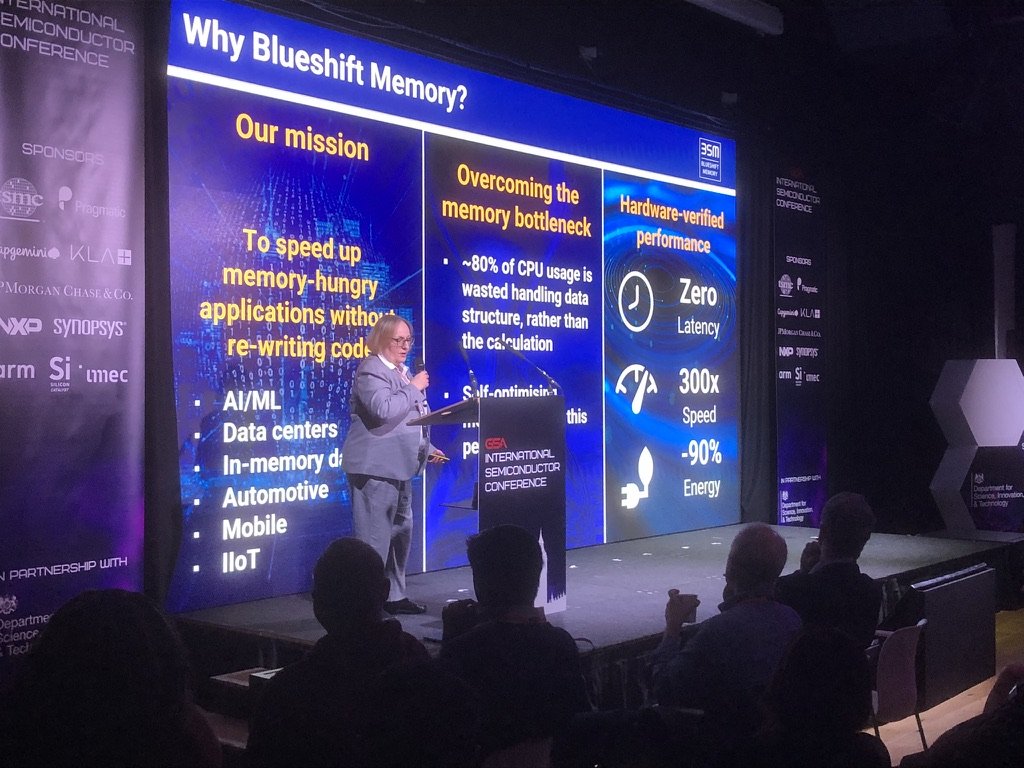
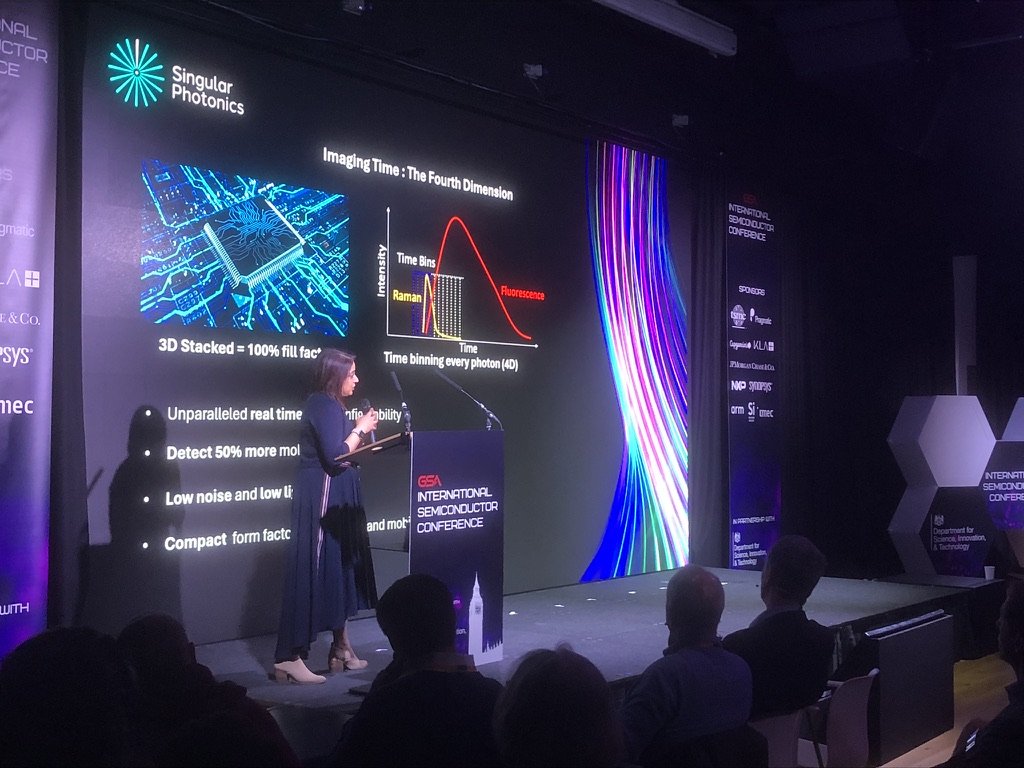
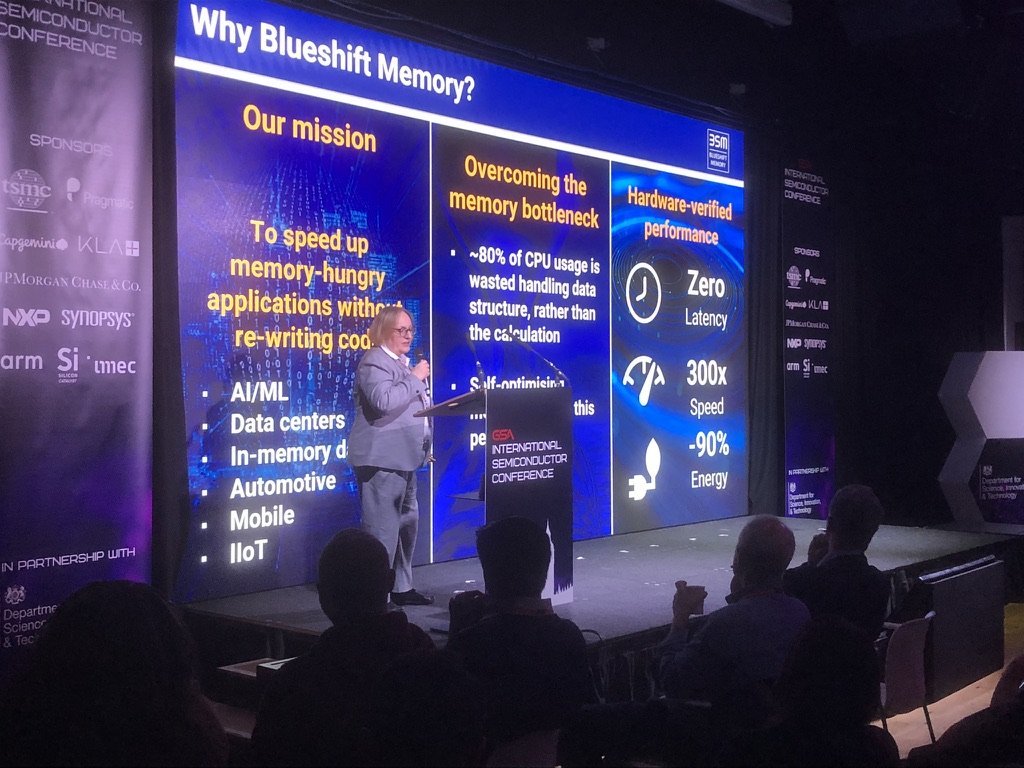
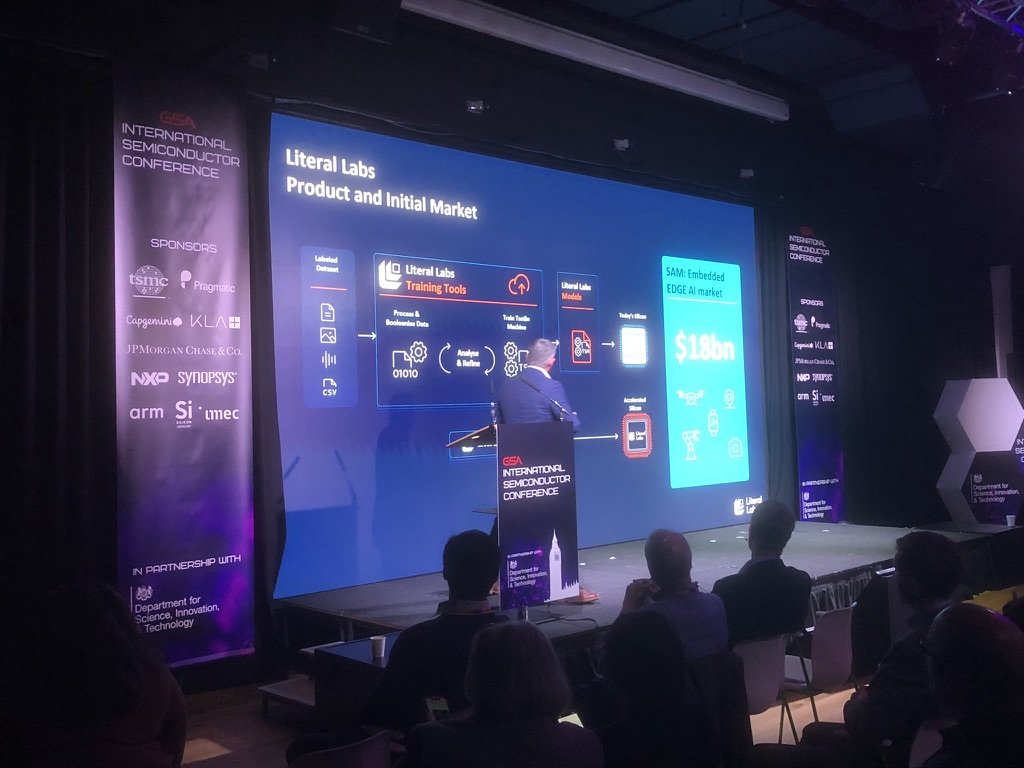
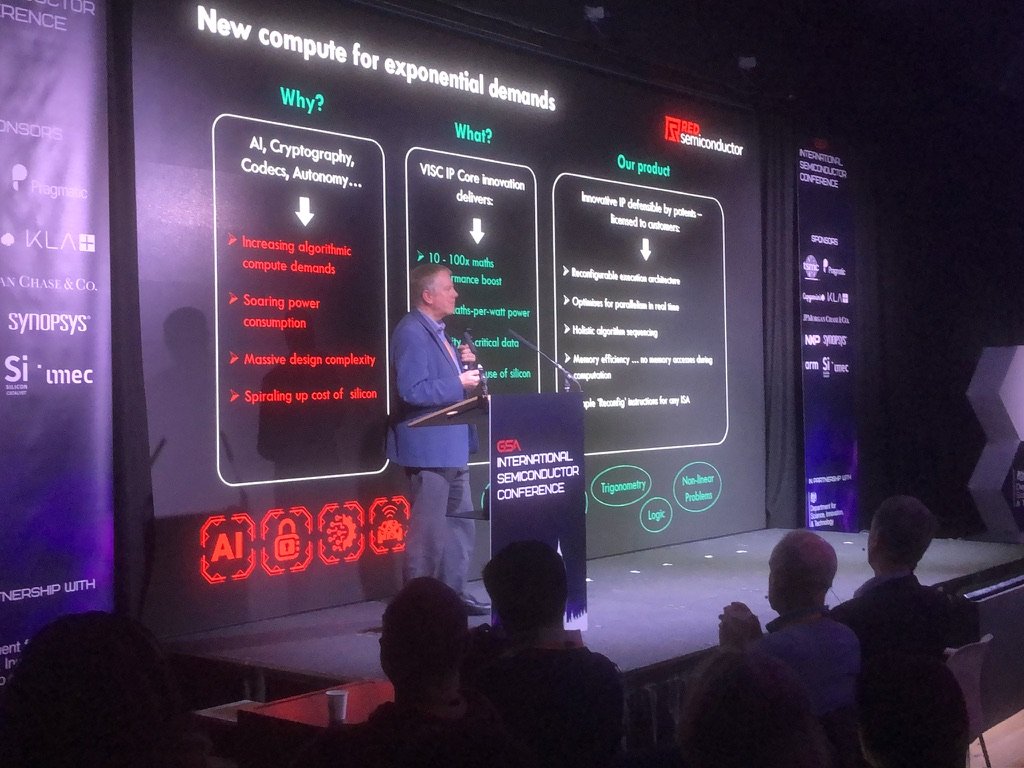
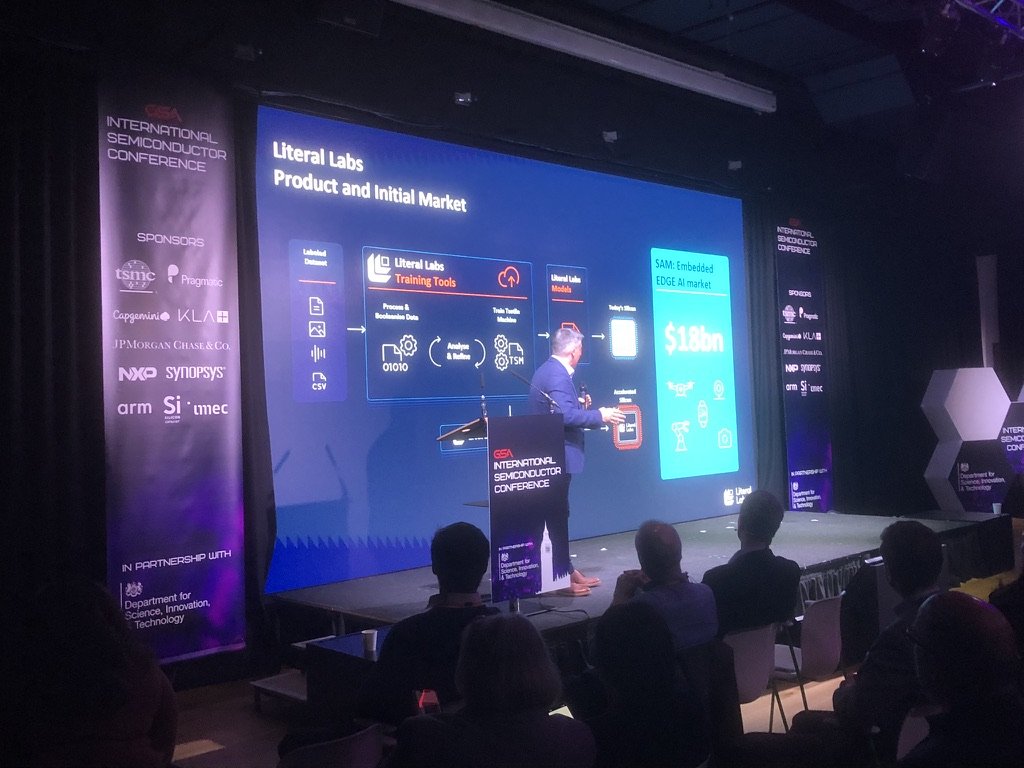
The event celebrated the graduation of Cohort #3: Smith Displays, Prospectral, SiDesign Works, Ethicronics, Chipletti, Rayd Technologies, RX Watt, quadrAI, Quantopticon, Kāhu SiliconBio, Xen Quantum and Kelvin Quantum.
Previous graduate Wave Photonics from ChipStart UK’s first cohort also presented at the event. A large number of graduates from the first three cohorts attended the event in the audience.
About ChipStart UK
ChipStart UK is the UK’s leading semiconductor startup incubator, delivered by Silicon Catalyst.UK. The programme has supported 33 companies across its first three cohorts, with alumni raising close to $100M in equity funding to date. It is a fully funded programme from the Department for Science, Innovation and Technology. It is provided free to participating companies.